
Group Therapy vs. Individual Play Therapy: Which Is Best for Your Child?
As a caregiver, trying to find the right support for your child can be overwhelming. Especially when you’re already navigating big emotions, school struggles, meltdowns, anxiety, or social challenges at home.
If you’ve been exploring therapy options, you probably have come across both individual and group therapy and wondered: Which one is right for my child?
The good news is that there is no one-size-fits-all answer! Both group and individual therapy can help children build confidence, express emotions, strengthen coping skills, and feel more connected.
The “best” fit often depends on your child’s personality, needs, comfort level, and goals.
If you’re new to therapy, you can also learn more about our play therapy services for children here. We run multiple skills and support groups for children, teens, and parents in St. Louis each year, too.
What is Individual Therapy?
Play is often a child’s natural language.
While adults may talk through stress and emotions, children usually express themselves through toys, stories, art, movement, and imagination. That’s why play therapy can feel so natural and effective for kids.
In individual therapy, your child works one-on-one with a therapist in a safe and supportive space designed just for them.
Sessions may include:
Pretend play
Art and creative activities
Sensory experiences
Storytelling
Movement and games
Emotional expression through play
The goal isn’t simply to “keep kids busy” or wear their energy down. Play therapy actually helps kids process emotions, experiences, and relationships in ways that match their developmental stage.
At Bud to Bloom, we believe children communicate so much through play when they’re given space to feel safe, curious, and understood.

When Is Individual Therapy Helpful for Kids?
Individual play may be especially helpful for children who:
Feel shy or slow to open up
Become overwhelmed in group settings
Need extra emotional support
Are navigating big life changes
Have experienced trauma or stress
Benefit from one-on-on attention
Feel safer in quieter, predictable spaces
Because sessions are tailored to the child, therapists can move at a pace that feels supportive and manageable. For many kids, that strong one-on-one relationship becomes the foundation for growth, emotional regulation, and trust.
You can also read our related blogs:
What is Group Therapy for Children?
Group therapy brings children together with peers who may be experiencing similar challenges.
While every group looks different, many focus:
Managing worries and anxiety
Building confidence
Handling big feelings
Practicing coping tools
For younger children, group therapy is usually interactive and play-based. Kids are not expected to sit in a circle and talk about feelings the whole time.
Instead, they often learn through games, guided play, movement activity, stories, and collaborative problem-solving.
The playful structure helps children stay engaged while practicing emotional and social skills in real time.
Why Can Group Therapy Feel So Powerful?
One of the biggest benefits of group therapy is connection. Children often feel relieved realizing they are not the only one struggling with worries, frustration, sadness, or friendship challenges. Simply hearing another child say, “Me too,” can be incredibly powerful.
Groups also create opportunities to practice skills naturally with peers. Children can work on:
Sharing and taking turns
Communicating feelings
Problem-solving
Managing frustration
Navigating relationships
Building confidence in social spaces
Kids often learn just as much from each other as they do from the therapist leading the group.
Research from the American Psychological Association also highlights how group-based support can improve social connection, emotional growth, and coping skills for children and adolescents.
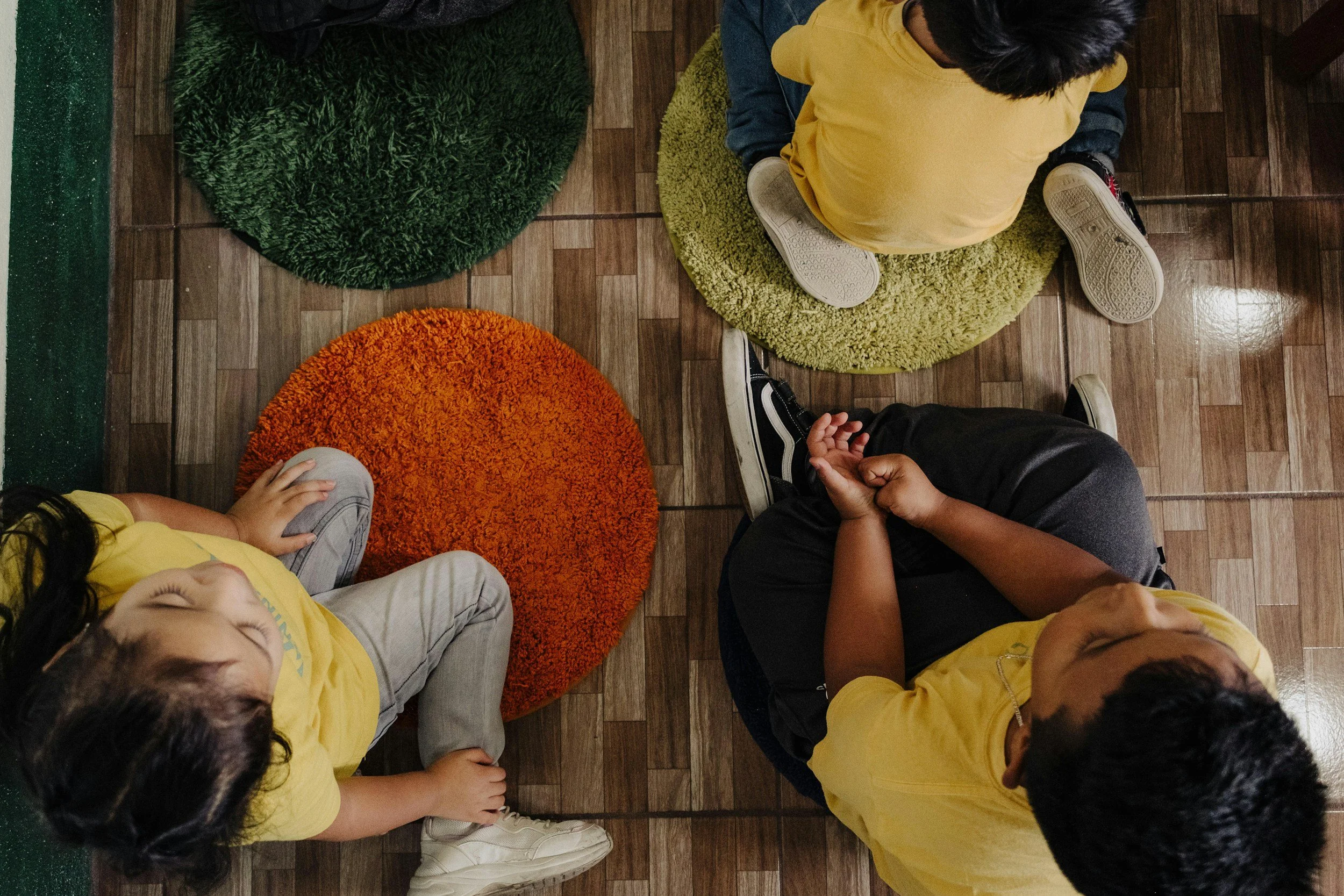
How Do You Know Which Therapy is Best for Your Child?
The honest answer? It depends on your kiddo.
Some children thrive with one-on-one support. Others grow more through shared experiences with peers. For many families, a combination of both can be helpful over time.
Individual therapy may be the best starting point if your child:
Feels withdrawn or socially anxious
Needs help building emotional safety
Struggles with overwhelm in groups
Benefits from slower pacing and personalized support
Group therapy may feel like a great fit if your child:
Enjoys interacting with peers
Wants connection with other kids
Is working on confidence or friendships
Learns well through shared experiences
Would enjoy practicing coping skills with others
There is no “wrong” choice here. Seeking support for your child is already a meaningful step toward helping them feel more understood, confident, and supported.
Looking for Therapy Support for Your Child in St. Louis?
At Bud to Bloom, we specialize in supporting children and families through play therapy, trauma-informed care, and relationship-based support.
We know every child is different. That’s why we work collaboratively with caregivers to find an approach that truly fits your child’s needs.
Want to learn more about our current play therapy groups for kids, or our individual play therapy services? Fill out this form to schedule a free consultation call with our team to get started.