
How Play Therapy Helps Children Build Friendships Naturally
If you have a child heading into Kindergarten, chances are you’re thinking about more than just backpacks and school supplies.
You’re probably wondering things like:
Will they make friends?
Will they know how to join in?
What happens if they get overwhelmed or left out?
These are real, valid concerns! Kindergarten is a big social leap, and not every child feels ready for it. Some kids jump right in. Others hang back, struggle to connect, or have big reactions when things don’t go the way they expected.
If that sounds familiar, you’re not alone—and your child isn’t behind. They may just need more support learning the skills that make social situations feel easier.
That’s where play-based social skills groups can help.
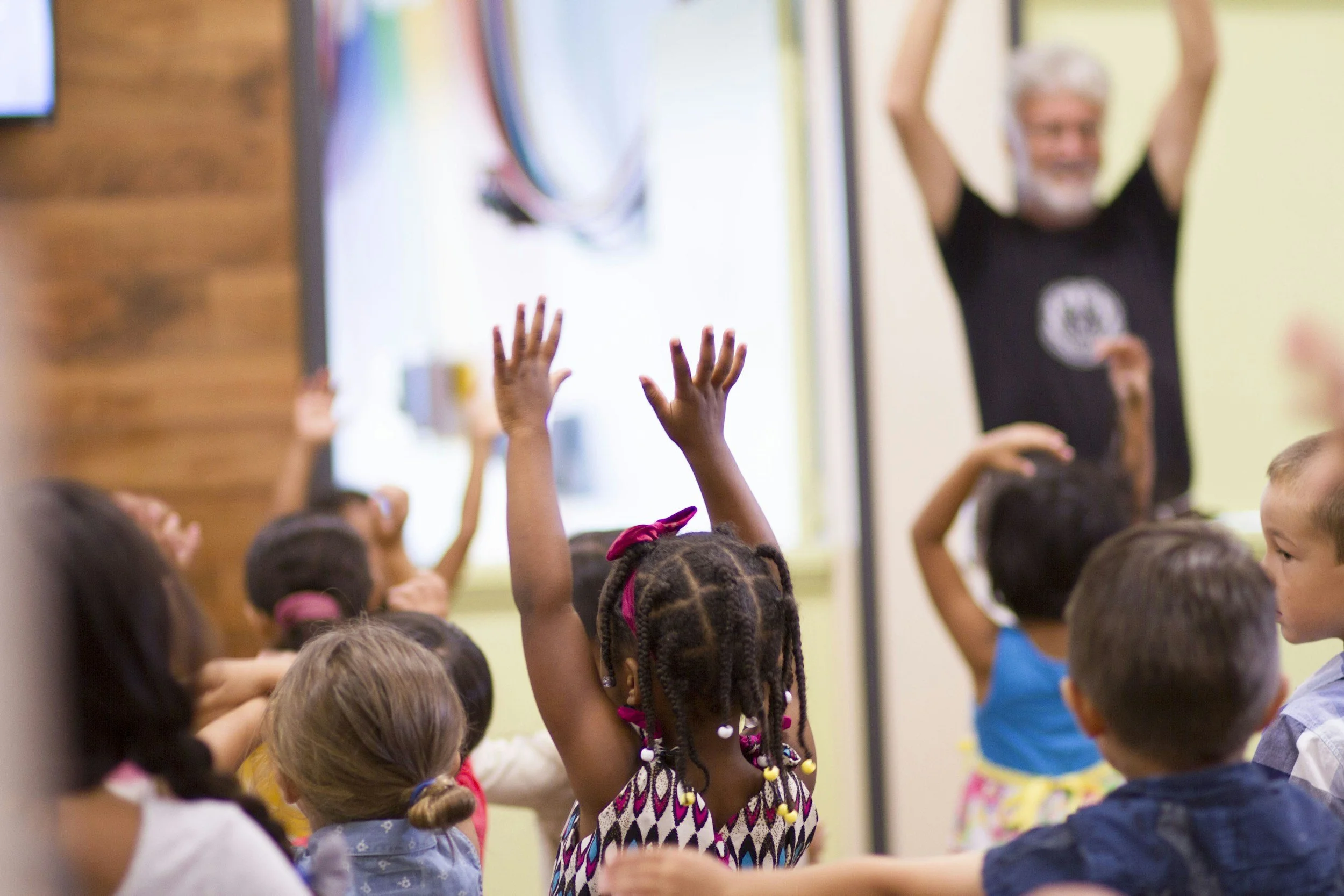
Why Social Skills Matter So Much in Kindergarten
Kindergarten isn’t just about learning letters and numbers. A huge part of the day is spent:
Working in groups
Sharing materials
Taking turns
Listening to others
Handling small conflicts
In other words, it’s social!
Kids who feel comfortable in these situations tend to have an easier time in this transition. They’re more likely to regulate, build friendships, and feel good about going to school.
When social skills are harder, you might see the opposite:
Avoiding group activities
School resistance and drop-off/pick up meltdowns
Trouble with peers
Big feelings during the day
A dip in confidence
This doesn’t mean something is wrong with your kid! It just means they’re still learning, or they need more support. Social skills, like any other skill, take practice.
Signs Your Child Might Need a Little Extra Support
Every child develops differently, but here are some common signs that social situations are feeling tough:
They have a hard time joining other kids in play
Sharing or taking turns often leads to conflict
They get easily frustrated with peers
They shut down, withdraw, or avoid group settings
Their reactions feel “big” for the situation
Transitions or changes in play are especially hard
If you’re seeing some of these, it can help to give your child more guided opportunities to practice—not just talk about—these skills.

So, What Is Play Therapy?
Play therapy is exactly what it sounds like: using play to help children learn, grow, and work through challenges.
Kids don’t learn best through lectures or long explanations. They learn by doing—by playing, trying, messing up, and trying again.
A trained play therapist uses play as the way to:
Teach social skills
Support emotional regulation
Build communication
Help kids feel more confident
It doesn’t feel like “therapy” to a child. It feels like play. But it’s very intentional.
How Play Therapy Actually Helps Kids Make Friends
This is where play therapy really shines—because it meets kids right where they are.
They Practice Skills in Real Time
Instead of being told “you should share” or “use your words,” kids get to practice those skills while they’re actually playing.
That might look like:
Taking turns in a game
Asking to join an activity
Working through a disagreement
These moments are where real learning happens (questioning if play therapy really works?).
They Get Support Right When They Need It
A trained play-based therapist is there to support and guide when things get tricky.
For example:
Helping a child find the words to express frustration
Slowing down a situation that’s overwhelming
Coaching problem-solving between peers
This kind of support helps kids feel successful instead of defeated.
They Learn To Handle Big Feelings
When kids have positive experiences with peers, something shifts. They start to realize they have skills and feel more confident in themselves and their abilities. That confidence carries over into school, activities, and everyday life, for years to come!

Why a Group Setting Makes a Difference
Practicing skills at home is great, but kids need other kids to really learn social skills.
A social skills group gives them:
Repeated chances to practice
Support when things don’t go smoothly
It’s very different from a regular playdate. The therapist is actively helping shape the interactions so each child is learning in a way that works for them.
What Social Skills Group Looks Like at Bud to Bloom
If you’re picturing kids sitting in a circle being told how to behave—this isn’t that.
In a play therapy-based group, sessions are active and engaging. Kids might:
Play cooperative games
Use imaginative play and storytelling
Practice turn-taking and problem-solving
Talk (in simple, kid-friendly ways) about feelings and friendships
The therapist is there the whole time, guiding and supporting kids in making sense of what’s happening in the moment. Just as important, the environment is designed to feel safe. Kids are encouraged to be themselves, make mistakes, and learn without feeling judged.
Support for You, Too
You won’t be left guessing about how your child is doing. After the group, caregivers have a chance to connect with the therapist and:
Hear how their child did
Learn what skills were practiced
Get specific ideas to support your child at home
This helps everything carry over beyond the group setting.
Helping Your Child Start the School Year Strong
Kindergarten is a big step, and social confidence can make a huge difference in how that year feels for your child—and you!
If your child needs a little extra support with friendships, emotions, or peer interactions, that’s okay. Many kids do!
Children can learn these skills through play, with guidance from a licensed therapist in Bud to Bloom Play Therapy’s Ready, Set, Bloom! Kindergarten Social Skills Group.
It’s not about “fixing” anything or anyone. It’s about helping your child feel more confident, capable, and ready to connect.
Ready to Learn More?
If you’re wondering whether this Kindergarten Readiness Group is a good fit for your child, we’re here to talk it through (for free)! One of Bud to Bloom Play Therapy’s Client Care Coordinators and this group’s play therapist (Emily) will be excited to connect with you.

Meet the Therapist
Emily Boehme is a St. Louis play therapist. She is passionate about helping kids find their rhythm while working through big feelings, and helping parents feel supported along the way.
Childhood is meant to be full of play, joy, and discovery. But sometimes, big feelings or tough situations get in the way. Emily’s here to support your kid and you through it.
