
Why Play Therapy Helps Children Heal: The Power of Being Present
When parents think about therapy, they often imagine sitting on a couch and talking through problems. For many adults, that’s exactly what therapy looks like. But children experience and communicate with the world differently.
They may not have the words to describe anxiety, grief, frustration, fear, or overwhelming experiences. Even when they do have the words, talking directly about something painful isn’t always the easiest or most effective way to process it.
That’s one reason why play therapy can be so powerful.
At Bud to Bloom, we recently spoke with Dominique, a local therapist specializing in art therapy, garden therapy, and play therapy about how creative and hands-on approaches help children heal. Throughout our conversation, one theme kept emerging: healing often happens when children are able to feel safe, connected, and fully present in the moment. Play therapy allows children to process big feelings and trauma in age-appropriate ways.

Children Process Experiences Differently Than Adults
Adults often rely on language to understand themselves and others. When something difficult happens, we might talk it through with a friend, journal about it, or try to make sense of it logically.
Children are still developing those skills. Instead, they often communicate through behavior, play, movement, creativity, imagination, and sensory experiences.
A child may repeatedly act out a story with dolls, create the same drawing over and over, or spend an entire session building worlds in the sand tray.
To adults, these activities can seem simple. But therapists know that play often reflects what’s happening internally for a child.
As Dominique shared, play gives us a window into a child’s inner world. The themes, choices, and stories that emerge through play can communicate things that may be difficult for a child to explain directly.
Why the Present Moment Matters
One of the ideas that Dominique emphasized was how naturally play brings children into the present moment. When a child is digging in sand, mixing paint, planting herbs, building with blocks, or creating an imaginary world, they’re often focused on what’s happening right now.
They notice textures, colors, sounds, movement. They smell flowers, feel the gritty dirt between their fingers. These sensory experiences help ground children in the present moment and support nervous system regulation.
For children carrying anxiety, stress, or trauma, these sensory experiences really matter.
Many difficult experiences pull us away from the present. Anxiety pulls us into the future of what might happen. Trauma can pull us back into what happened in the past. Even children experiencing everyday stress can be overwhelmed by big emotions.
Play, art, and nature-based experiences naturally bring children back to what’s happening right now. We see this regularly in our work. Children often arrive feeling activated, overwhelmed, or anxious. As they engage in play, art, or sensory activities, their nervous system begins to settle. The intensity of those feelings often comes down a notch, creating more space for regulation, connection, and exploration.

Play Therapy is More Than “Just Playing”
One of the most common misconceptions about play therapy is that children are simply playing while a therapist watches.
In reality, play therapy is an evidence-based approach delivered by specially trained clinicians. The toys, art materials, sand trays, and creative activities are tools that help children express themselves in developmentally appropriate ways. At the same time, the therapist is building a relationship, observing patterns and themes, supporting emotional regulation, and helping the child develop new experiences of safety and connection.
As Dominique explained, even seemingly small interactions can be therapeutic. A therapist might notice a child’s frustration, reflect what they see, validate an emotion, or stay present during a difficult moment. These experiences communicate something important to your child: “Your feelings make sense. You don’t have to handle them alone.”
Over time, those moments can strengthen confidence, trust, emotional awareness, and resilience.
You Don’t Have to be Artistic to Benefit from Creative Expression
When parents hear the term “art therapy,” many immediately think, "My child isn’t artistic,” or “They’re not very creative.”
But art therapy isn’t just about artistic talent, and the goal isn’t always about creating something beautiful or impressive or even meaningful.
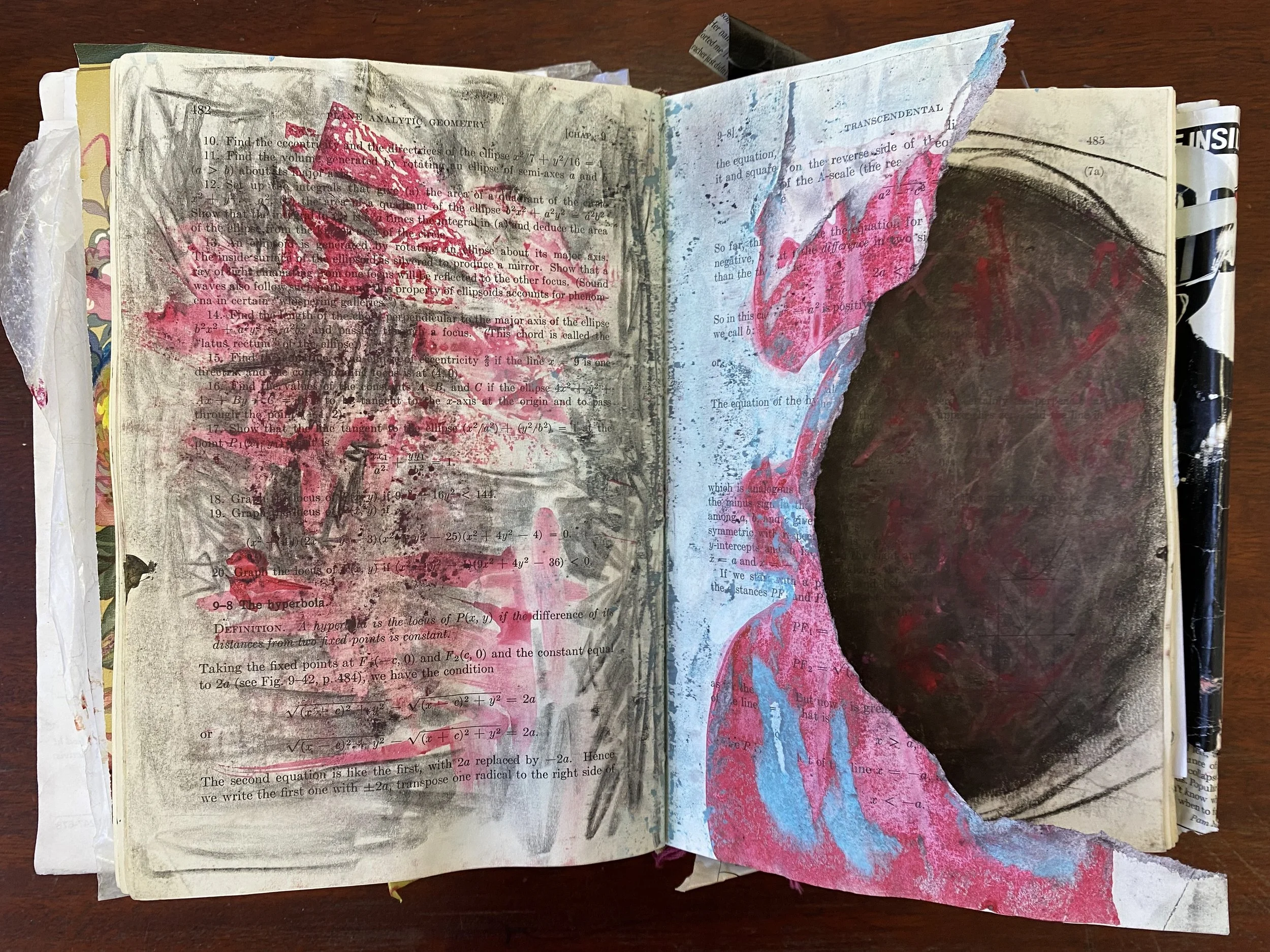
Dominique emphasized that art therapy focuses on expression, exploration, and regulation rather than solely the final product. A child might color with both hands as a form of bilateral stimulation, or tear paper into pieces, create abstract shapes, or spend an entire session mixing colors. The value isn’t in what they create. It’s in the experience of creating.
In fact, some children choose not to keep their artwork at all. They may rip it up, throw it away, or transform it into something entirely different. The process is often far more important than the outcome.
Healing Happens Through Relationship
While play and creativity are valuable tools, Dominique emphasized that the therapeutic relationship itself is often the most important part of the work.
Children heal in the context of safe, supportive relationships. For some kids, therapy may be one of the few places where they experience an adult who is fully present, deeply curious, and focused entirely on understanding their experience rather than correcting or directing it.
That experience can be incredibly powerful. Research consistently shows that the therapeutic relationship is one of the strongest predictors of positive outcomes in therapy, for all ages. For children, that relationship often develops through shared experiences—playing a game, creating art, planting flowers, building a sand scene, or simply sitting together with a difficult feeling.
Finding the right therapist for your child really matters, and maybe one of our St. Louis play therapists is just who you’ve been looking for!
What This Can Teach Parents
Parents don’t need to become therapists, but there is something valuable we can learn from how play therapy works. When children are struggling, our instinct is often to ask questions, offer solutions, or help them feel better right away.
Most of the time, what children need most is something simpler—someone willing to slow down, join them where they are, and stay present. Co-regulation with a parent is very powerful for kids!
That doesn’t have to mean setting up elaborate activities. Often, the simplest experiences can be the most regulating:
Drawing with crayons or markers on a large piece of paper or cardboard and encouraging big arm movements to help release energy
Creating a family feelings book where everyone shares emotions they’ve experienced
Using sidewalk chalk to draw colors, shapes, or feelings outside together
Taking a nature walk and collecting leaves, flowers, or rocks to create a nature collage or mandala
Sitting side-by-side while coloring, building with blocks, or creating stories with toys
The goal isn’t to get children to talk if they don’t want to talk. Instead, these activities create opportunities for connection, creativity, and emotional expression.
And if your child shares something difficult through a drawing, story, or pretend play scenario, try responding with curiosity rather than interpretation.
You might say:
“That looks like it has some big feelings in it.”
“I wonder what’s happening here.”
“Can you tell me more about that?”
“Is there anything you need from me right now?”
You don’t have to decode every picture or understand every story. Often, the most healing thing a caregiver can do is witness, listen, and communicate, “I’m here with you.”
Looking for Play Therapy in St. Louis?
At Bud to Bloom, we use evidence-based play therapy approaches to help kids and teens navigate anxiety, trauma, grief, life transitions, emotional regulation challenges, and relationship difficulties.
For families interested in creative and nature-based approaches, Dominique offers specialized art therapy and garden therapy services that help children in St. Louis express themselves through hands-on experiences.
Every child communicates differently. Whether through words, play, creativity, movement, or connection with nature, therapy can provide a safe space for children to process their experiences and grow.
Sometimes the path to healing isn’t talking more about what’s wrong. Sometimes it’s helping children feel safe enough to be fully present.
About the Author
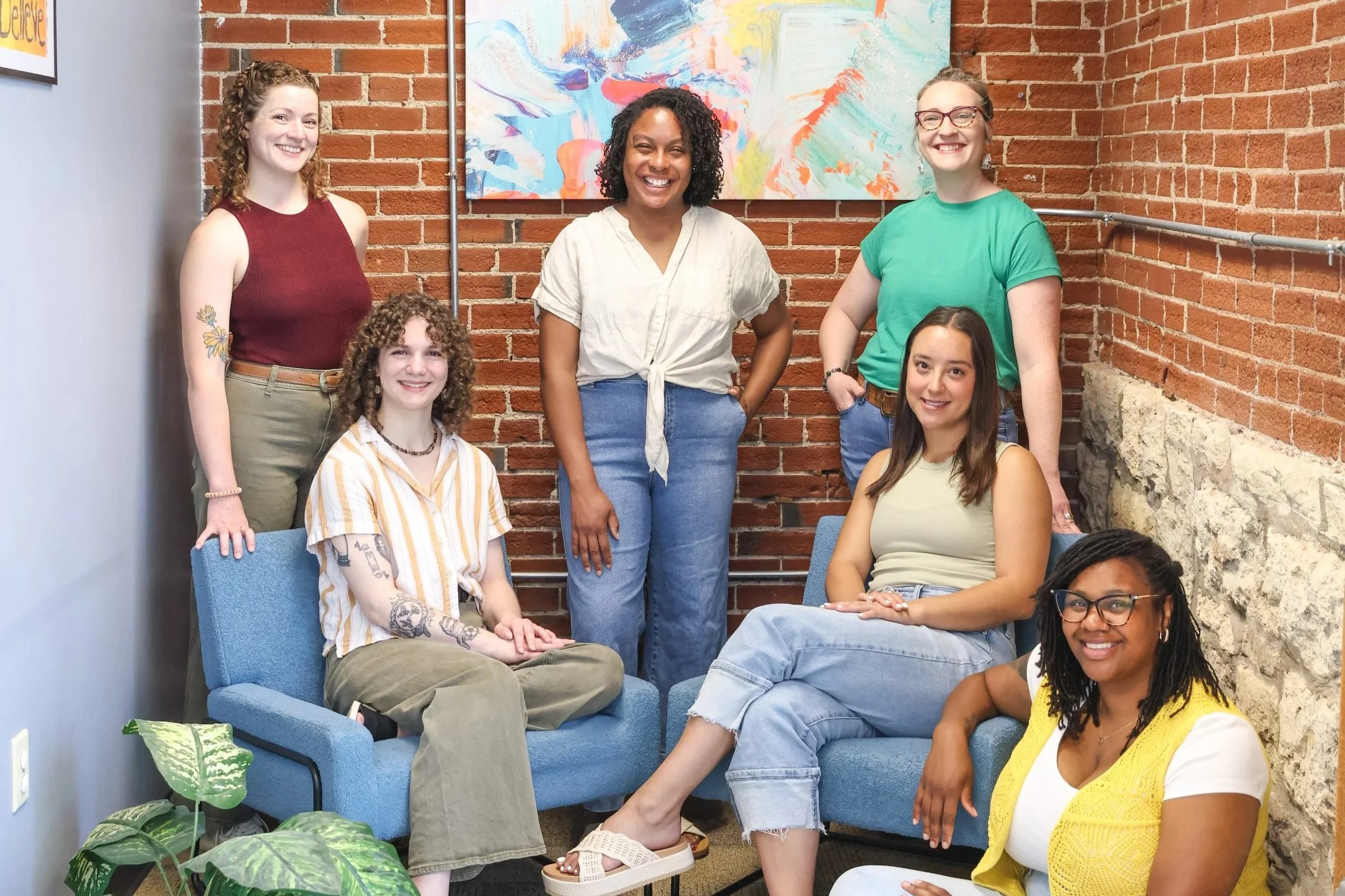
Bud to Bloom Play Therapy supports children and teens with big feelings and big behaviors through play-based approaches. Located in Downtown St. Louis, our practice values accessibility, continued learning, and the unique strengths of St. Louis families.