Sand Tray Therapy for Therapists: Why This Powerful Tool Feels Like Magic
This may sound silly — and at the risk of undermining its powerful work, I'll just say it: sand tray therapy sometimes feels like magic. I remember the first sand tray training I attended. I had no real idea what sand tray therapy was, but I had heard from so many therapists how powerful it could be. So I signed up for a two-day training with Dr. April Duncan (I highly recommend her workshops!).
Safe to say, my mind was BLOWN.
I went to that professional training hopeful and excited to learn. During the experiential part of the training, I saw a sand tray at work in a way I had never imagined. Many participants shared things they hadn't planned to share. People opened up in ways they didn’t expect to during a professional development training.
And yes — I ended up crying. I wasn’t alone in that.
Somehow these tiny miniatures I selected kind of randomly for an activity with a colleague held so much meaning once I started processing my experience. I realized the tray I tried so hard to keep surface-level and professional was actually about a time in my life that was really hard. It reflected struggles I had not planned to discuss. I did not expect to go there in a training, but there I was.
After that experience, I knew I wanted to use this tool in my own therapy work with children and families in St. Louis. I saw how a sand tray allows people to share and express themselves so deeply, without much effort.
Now that I’ve shared about my experience, let’s talk about what sand tray therapy actually is and why it’s such a valuable tool for child therapists. This short blog won’t make you sand tray trained, but it will give you an introduction to a really special therapeutic approach.
What is Sandtray Therapy?
Sand tray therapy is an expressive therapy tool that allows clients to project and externalize what may be happening internally. Using sand, miniatures, and symbolic placement, clients create scenes that represent thoughts, feelings, memories, or experiences. These scenes often reveal emotions and stories that can be difficult to process with words alone.
Sand tray therapy can be:
Verbal or nonverbal
Directive or non-directive
Used within many theoretical frameworks
Helpful for children, teens, and adults
Because sand tray allows for non-verbal processing, it can be especially powerful for kids. Because they have different cognitive and verbal abilities than adults, many children process emotions best through play and creative expression.

The projective and symbolic nature of sand tray also works well with:
Children and adults who are guarded or resistant
Clients who have experienced trauma
Kids who struggle to find the words for their feelings
The sand tray gives them psychological distance. They can express their inner world through symbols rather than direct conversation.
What You Need for Sand Tray Therapy
If you are a therapist interested in using sand tray therapy, the setup is fairly simple. You need a sand tray, sand, and a collection of miniatures.
The miniatures should represent many different parts of a child’s world. It’s also helpful to include items made from different materials, including natural materials like wood or stone. These textures can help clients reconnect with nature and can feel grounding during the process.
According to Sandtray Therapy: A Practical Manual by Linda E. Homeyer and Daniel Sweeney, an effective miniature collection includes a wide variety of categories. Here are some common groups of miniatures therapists include:
People
Families
Different occupations
People in various life stages and ages
Animals
Insects
Zoo animals
Farm animals
Birds
Sea animals
Buildings
Houses
Businesses
Religious buildings
Historical structures
Transportation
Cars
Trucks
Airplanes or helicopters
Boats
Nature & Vegetation
Trees
Flowers
Bushes
Seashells
Rocks
Structures & Boundaries
Fences
Gates
Signs

Fantasy Characters
Wizards
Dragons
Unicorns
Monsters
Fairy godmothers
Spiritual or Mystical Items
Angels
Religious leaders
Sacred texts
Mirrors
Crystals
Chalices
Landscape & Accessories
Sun and moon
Mountains
Caves
Treasure chests
Household Items
Furniture
Tools
Miscellaneous Items
Medical items
This is not an exhaustive list, but it provides a strong foundation for building a sand tray collection that reflects many aspects of life and experience.
What Happens During a Sand Tray Therapy Session?
Sand tray can be used during many phases of therapy. I have used it:
As an introduction to therapy, especially for those who feel anxious about starting
During the working phase of treatment
As a way to build therapeutic rapport and strengthen the relationship
Many kids especially enjoy using sand tray during the first few sessions. It immediately signals that therapy might look different than what they expected.
The Basic Sand Tray Process
During a session, therapists can either offer a prompt or allow the client to create freely with minimal guidance.
The general process often looks like this:
Introduce the sand tray and miniatures.
Invite the client to select any items they want.
Allow them to arrange the miniatures however they want in the sand.
Once they have made their creation, begin processing the scene.
Clients may take a few minutes or a full session to create their tray. Honestly, both are okay!
I’ve worked with kids who spend the entire session creating their tray and did no verbal processing at all. I’ve also worked with kids who loved discussing every part of their scene.
In my experience, creating the tray can be just as powerful as talking about it.

Why Sand Tray Therapy Works So Well
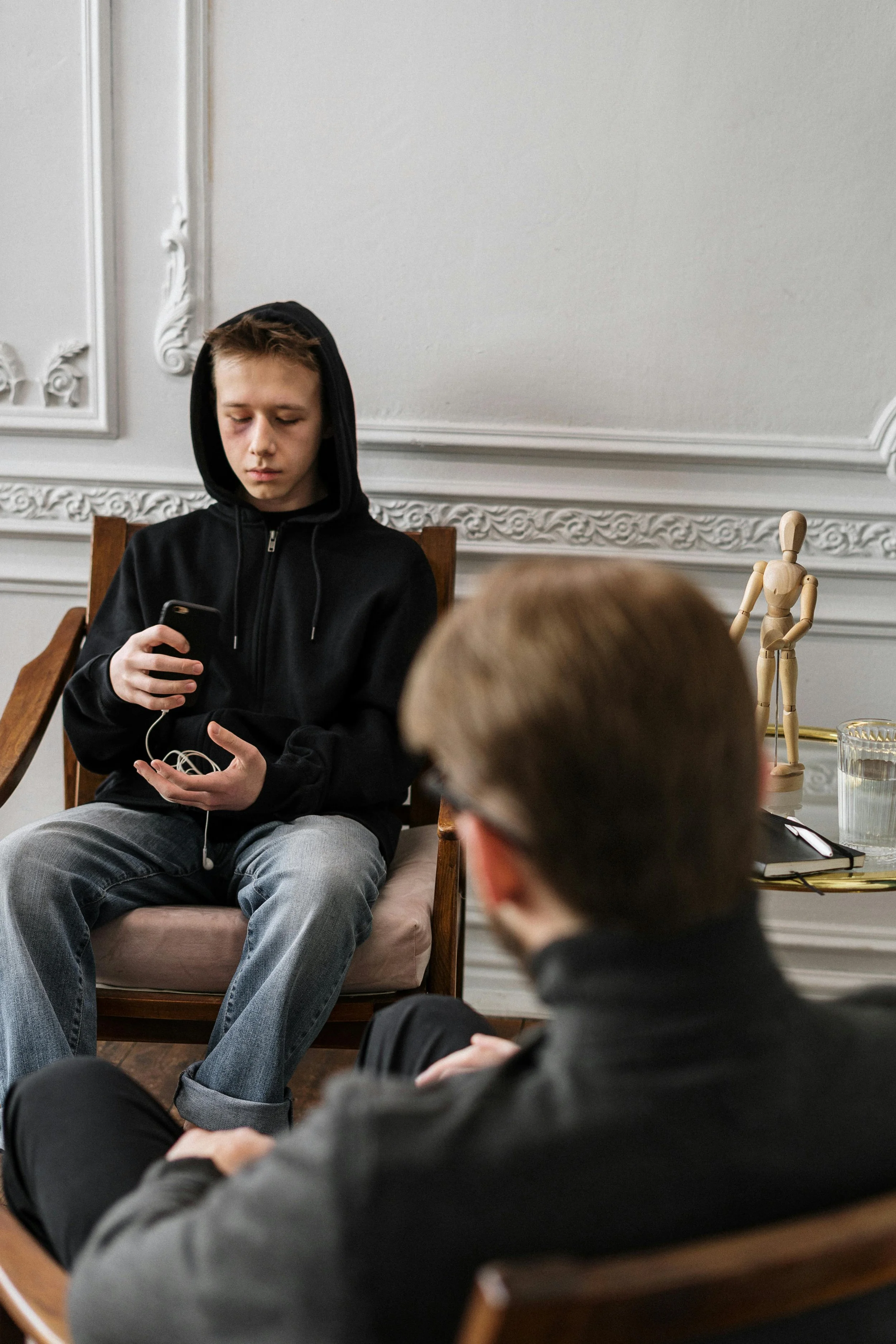
When creating a tray, children and teens often use metaphor and symbolism to represent their experiences. The external nature of the tray creates a level of psychological safety. It allows clients to talk about difficult experiences in a way that feels less overwhelming.
For example:
I have worked with resistant teens — the kind who sit quietly and barely speak — who eventually used a sand tray to share their struggles with depression and self-concept.
I have worked with young children who used metaphors in the tray to explain the pain of their parents’ divorce.
I’ve seen kids represent the chaos of foster care placement through scenes in the sand.
Because the story is happening in the tray, clients often feel safer exploring deeper emotions.
Honestly, sand tray has become one of my primary tools when working with teens. It reduces pressure and gives them another way to communicate their inner world. Sometimes words are simply not enough!
What Therapists Often Discover Through Sand Tray
One of the reasons I love sand tray therapy so much is how often it reveals new insights. Almost every time I use it, I learn something new about a child I’m working with.
Sand tray helps me:
See how a child perceives their world
Understand emotional experiences they haven’t verbalized
Strengthen the therapeutic alliance
Help kids feel seen and understood
And we know how important that feeling is for all of us, but especially for children. When kids feel safe and understood, therapy becomes much more effective. The sand tray is simply a powerful way to help make that happen.
Want to Learn More About Sand Tray Therapy?
If you’re a therapist interested in learning more about sand tray therapy, here are a few great resources:
Training with Dr. April Duncan
Sandtray Therapy: A Practical Manualby Linda E. Homeyer and Daniel Sweeney
These resources can help therapists deepen their understanding of and gain practical skills for using sand tray in clinical practice.
Final Thoughts: The Power of Sand Tray
If you haven’t experienced sand tray therapy yet, I truly encourage you to consider it. It’s one of the most powerful expressive therapy tools I have used in my work with children and teens. Again and again, I am amazed at what clients reveal in the tray and how meaningful and magical the process becomes.

Meet the Therapist
Jasmine Berger, LCSW & RPT-S, is a passionate child and family therapist in St. Louis, Missouri. As the Founder and Owner of Bud to Bloom Play Therapy, she understands how playful therapy can bring powerful change to not just individual children and isolated families, but to the broader community. If you’re a professional considering training or certification in play therapy, connect with Jasmine to learn more!