
How Books Can Support Your Anxious Child: A Guide for Families in St. Louis, Missouri
As children learn about the world around them, it’s normal for them to feel nervous sometimes. New experiences, school challenges, time away from caregivers, and so much more can can all bring up worries. Most children move through these feelings with reassurance from trusted adults.
But sometimes, those worries grow bigger and harder to manage. When fears and “what if” thoughts start to feel overwhelming, children may be dealing with anxiety.
One gentle way to support an anxious child is through books. Stories help children see their feelings reflected in characters. They give children words for emotions that may be hard to explain. And they remind kids that they’re not alone.
At Bud to Bloom Play Therapy, we often use books as a supportive tool alongside play therapy with children and families in St. Louis, Missouri. The right story can help a child feel understood, calm their nervous system, and open the door for meaningful conversations. Below are a few of our favorite books that help children understand and cope with anxiety.
The Invisible String

Written by Patrice Karst & Illustrated by Geoff Stevenson
The Invisible String shares a powerful message: we are always connected to the people we love.
In the story, a mother explains to her children that an invisible string connects their hearts to the hearts of the people who care about them. Even when they are apart, that connection remains strong.
For children who struggle with separation anxiety, this story can be incredibly comforting. It helps them understand that love stretches across any distance. Not only does it remind them that they are never alone, it is a great way to think about who you are close to and keep in your heart.
This book is especially helpful for children who feel nervous about:
Going to school
Sleepovers
Staying with caregivers
Being away from parents
Try This Activity After Reading
Grab some paper and drawing/writing supplies. Ask your child to draw themselves in the middle of the page. Then help them draw lines (their “invisible strings”) to names or drawings of people they love. They can include:
Parents or caregivers
Grandparents and other family members
Friends
Teachers
Pets
This simple activity helps children visualize their support system. It can also become a calming routine before school or other transitions.
Why We Love This Book
Shows that love exists even when people are apart
Encourages children to think about their support system
Helps ease separation anxiety
Ruby Finds a Worry
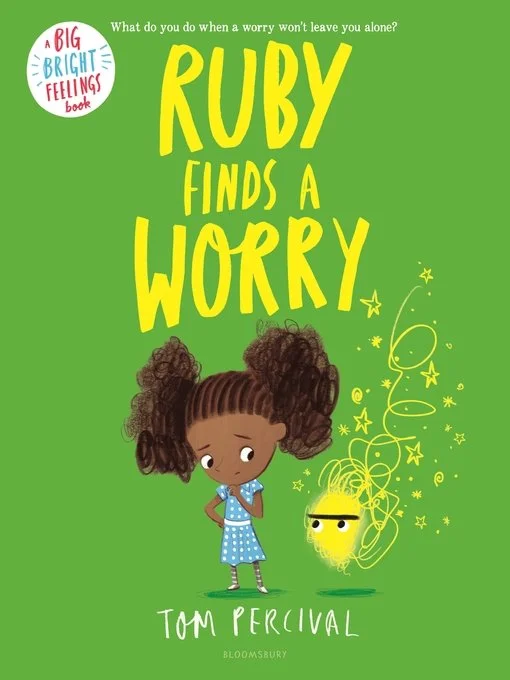
Written by Tom Percival
In this beautifully illustrated story, imaginative Ruby discovers a small worry that begins to follow her everywhere. The more she focuses on it, the bigger it grows. Soon, the worry feels impossible to ignore.
Everything changes when Ruby notices another child carrying a worry, too. When they talk about their worries together, something surprising happens: the worries begin to shrink.
This story is a wonderful way to show children how worries can grow when they stay inside. It also highlights the importance of talking about feelings with someone they trust.
Children often respond well to the visual metaphor of the worry growing bigger. It helps them understand that anxiety is something they can talk about and work through.
Why We Love This Book
Gives worries and anxious thoughts a visual form that children understand
Encourages open conversations about feelings
Teaches kids that sharing worries helps them feel smaller
Alpaca Holds Your Worries

Written by Kelly Oriard & Callie Christensen
This gentle story from the Slumberkins series helps children understand how anxiety can feel heavy. When worries build up, they can make everyday tasks feel harder.
The comforting character Alpaca helps children learn that they do not have to carry their worries alone.
We appreciate how this book combines soothing visuals with simple, encouraging language. Many children also love the affirmations included in the story. The book is small and easy to bring along on stressful situations, like doctor visits, school transitions, or travel.
Why We Love This Book
Positive affirmations that are easy for kids to remember
Helps children understand the weight of worry
Includes a “reflect and connect” section for deeper discussion
Wilma Jean and the Worry Machine
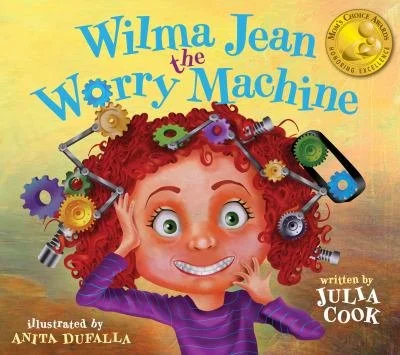
Written by Julia Cook | Illustrated by Anita Dufalla
In this story, Wilma Jean’s worries feel like a machine that won’t turn off. Her thoughts fill with “what if’s,” and the anxiety becomes so strong that she sometimes feels sick and doesn’t want to go to school.
Many children with anxiety experience physical symptoms just like Wilma Jean. These can include:
Stomach aches
Headaches
Muscle tension
Feeling nauseous before school or activities
In the story, Wilma Jean’s mother and trusted adults work together to help her manage these worries. The book shows children that it’s okay to ask for help and talk about big feelings.
Why We Love this Book
Helps children build interoception – the ability to recognize physical cues of anxiety and other emotions
Shares helpful coping strategies
Encourages children to talk to trusted adults about their feelings
What Anxiety Can Look Like in Children
Talking about anxiety with your child can feel challenging. Children may not always have the words to describe their feelings. Instead, anxiety often shows up through behavior or physical symptoms.
Some common signs of anxiety in children include:
Frequent stomach aches or headaches
Trouble falling or staying asleep
Prolonged restlessness or irritability
Avoiding new activities or social situations
Intense worries or “what if” thinking
Crying more than usual
Refusing school or other activities
These reactions are not signs that a child is “misbehaving.” Often, they are signals that a child’s nervous system feels overwhelmed. Books can help children start to understand these feelings. But sometimes children need extra support.
When Extra Support May Help Your Child
If your child’s worries are interfering with school, friendships, sleep, or daily life, it may be helpful to talk with a child therapist. Play therapy is one of the most effective ways to support children experiencing anxiety!
In play therapy, children communicate and explore their feelings through play rather than only through words. Toys, art, and imagination become tools for expressing emotions and working through challenges.
At Bud to Bloom Play Therapy, we provide play therapy for children and families in the St. Louis area. Our therapists create a safe and supportive environment where children can explore their worries, build confidence, and learn new ways to cope with anxiety.
Over time, many children begin to feel more comfortable trying new things — both inside and outside the playroom.
Supporting Your Anxious Child at Home
Books are just one powerful tool parents can use. You can also support your child by:
Listening to their worries without immediately dismissing them
Validating their feelings
Creating predictable routines
Practicing calming activities together
Encouraging open conversations about emotions
Even small amounts of connection can make a big difference for a child who feels anxious.
Compassionate Play Therapy in St. Louis, MO
If your child is struggling with anxiety, you don’t have to navigate it alone.
At Bud to Bloom Play Therapy, we specialize in helping children understand their feelings and build confidence through the power of play. Our St. Louis play therapists support children dealing with:
Anxiety
Separation worries
School stress
Big life transitions
Emotional regulation challenges
If you’re wondering whether therapy might help your child, we’re here to answer your questions and support your family. Learn more through a free consultation call with our Client Care Coordinator today.
