
Helping Your Child After Trauma: Books & Activities for Families in St. Louis, Missouri
When your child goes through something scary or overwhelming, it can leave you feeling unsure of what to do next. You may notice changes in their behavior, mood, or routines. You might also feel worried, helpless, or even afraid of saying the wrong thing.
If you’re a parent or caregiver in St. Louis, Missouri wondering how to support your kid after trauma, you’re not alone — and there are ways you can support your child at home in gentle, meaningful ways.
In this guide, we’ll walk you through supportive activities and child-friendly books that can help your child process trauma, feel safer again, and begin to heal.
Understanding Childhood Trauma (In Simple Terms)
Trauma doesn’t always look the way we expect. For children, trauma can be anything that feels overwhelming, scary, or confusing, and is too big for them to handle on their own. This might include:
Changes in their home or family
Loss of a loved one
Medical experiences
Accidents or injuries
Witnessing conflict or unsafe situations
Children don’t always have the words to explain how they feel about these things. Instead, they show us through behavior. That’s why you might notice changes like clinginess, big emotions, or trouble sleeping. The good news? With the right support—both at home and sometimes with a play therapist—children are incredibly resilient!
Why Books Can Help Children Process Trauma
Books can be powerful tools for exploring experiences and feelings, for adults and children. They can allow children to see their experiences reflected in a safer, more gentle way. Through stories, children can learn that they’re not alone in their experiences or feelings, that there are ways to cope with big feelings, and that there are safe adults who can help them.
Reading together can also create connection, which is one of the most important parts of healing.
Below are some of our favorite trauma-informed children’s books that families in St. Louis can use at home.
Book Recommendation #1: A Gentle Introduction to Big Feelings
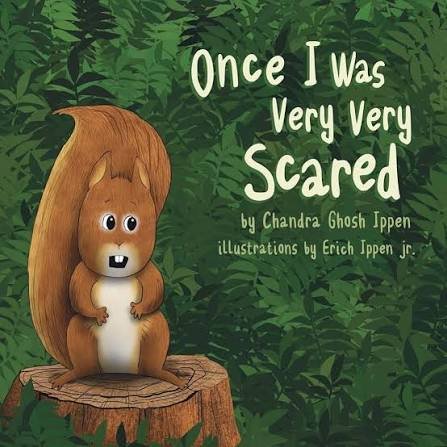
Once I was Very Very Scared
By Chandra Ghosh Ippen & Illustrated by Erich Ippen Jr.
This beautifully written book follows a group of animals who have all experienced something scary. Each one responds differently; some hide, some talk, some avoid thinking about it altogether. With the help of a caring porcupine, they slowly learn how to cope, share, and support each other over time.
Why we love this book:
It shows that all reactions to trauma are normal
Helps reduce anxiety around scary memories
Introduces the idea of support and connection
Builds empathy in a simple, child-friendly way
This is a great starting point if your child is just beginning to open up about their feelings.
Book Recommendation #2: Learning What “Brave” Really Means

Riley the Brave
Written by Jess Sinarski & Illustrated by Zachary Kline
Riley has been through something really scary and hard. As he tries to cope, he experiments with different ways of being “brave”— like hiding, guarding himself, or shutting down.
Over time, Riley learns that true bravery isn’t about pretending to be okay. It’s about being himself and allowing safe adults to support him.
Why We Love This Book
Teaches children about safe people and safe spaces
Normalizes anxiety and trauma responses
Encourages healthy coping instead of avoidance
Especially helpful for children from unsafe homes
For many families in St. Louis, this book opens the door to important conversations about safety and trust. This book could be a great way to open up the conversation about beginning therapy, too. Read more about how play therapy helps children with trauma.
Book Recommendation #3: Understanding Trauma Responses
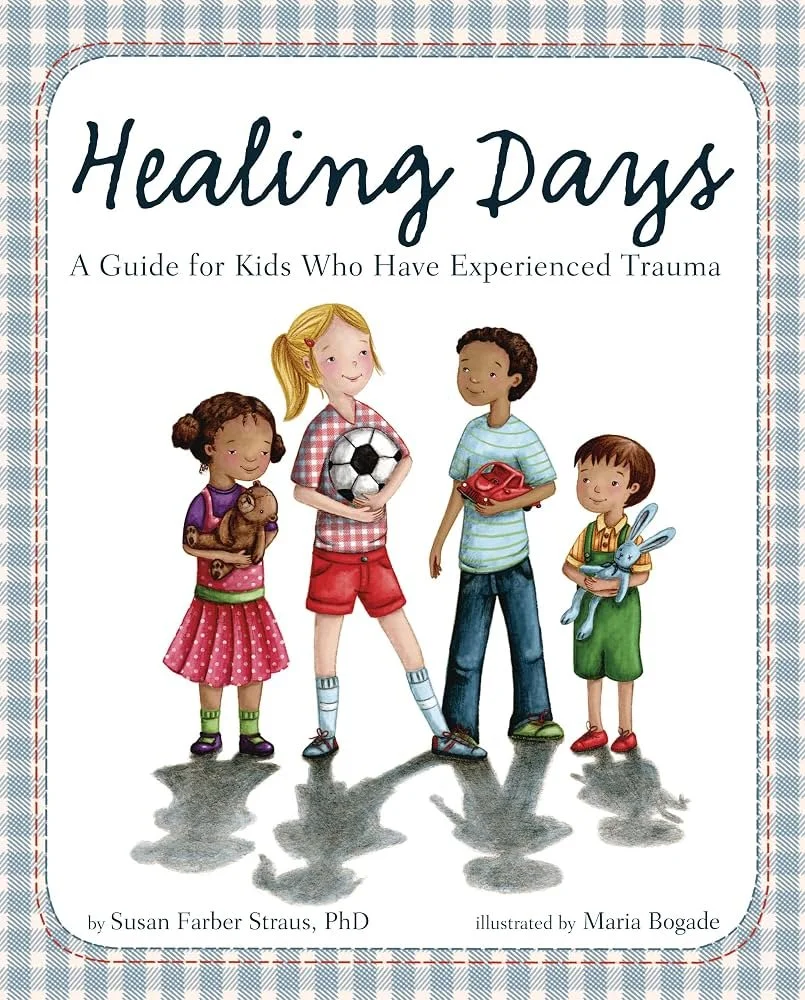
Healing Days: A Guide for Kids Who Have Experienced Trauma
Written by Susan Farber Straus & Illustrated by Maria Bogade
This book helps children understand the thoughts, feelings, and behaviors that often come after trauma. It also gently addresses something many kids struggle with: self-blame.
Children may believe what happened was their fault or that they are “bad.” This book helps reframe those beliefs in a safe, supportive way.
Common Trauma Responses this Book Addresses:
Thumb sucking
Bed wetting
Tantrums and emotional outbursts
Increased clinginess
Lack of appetite
Aggressive behaviors (hitting, scratching, biting)
Why We Love this Book
Validates what children are experiencing
Offers simple coping tools
Encourages open conversations
Helps reduce shame and self-blame
Try This At Home: A Simple Calming Activity
When children feel overwhelmed, their bodies go into "fight, flight, or freeze” mode. One way to help is through grounding exercises that calm the body.
Here’s a simple activity you can try at home:
The Squeeze and Release Exercise
Have your child squeeze their fists and curl their toes for 5 seconds.
Slowly release.
Next, have them squeeze their arms and legs close to their body
Hold for 5 seconds, then release
Continue working up to squeezing the whole body
This activity can feel similar to a hug and helps the body relax. It’s especially helpful during moments of anxiety, anger, or overwhelm. For families seeking trauma support in St. Louis, this is an easy, no-cost tool you can use anytime—before bed, after school, or during tough moments.
A Free Online Resource Your Child Will Love
In this free online story, Big Bird shares that he has gone through something scary. With the help of a trusted adult, he learns how to create a safe, cozy place using his imagination. Children can often return to this “safe place” anytime they feel overwhelmed.
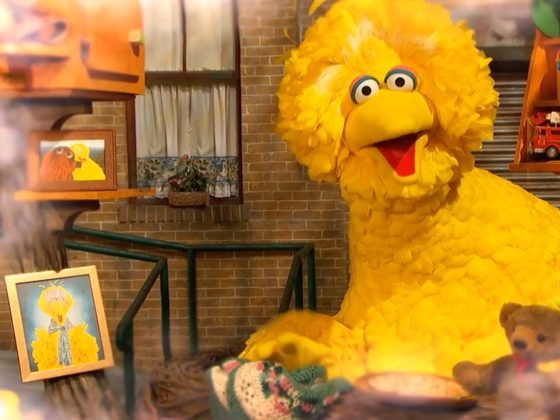
Big Bird’s Comfy Cozy Nest
For a list of all of Sesame Workshops work regarding trauma, click here!
Why We Love This Resource
It’s free and easy to access
Teaches coping skills through imagination
Reinforces the idea of safe adults
Includes interactive games and activities
This is a wonderful option for younger children or families looking for engaging, screen-based support.
When to Seek Extra Support
Sometimes, home strategies and books aren’t enough, and that’s okay. You may want to reach out to a child therapist in St. Louis if you notice:
Ongoing behavioral changes
Increased aggression or withdrawal
Sleep difficulties or nightmares
Regression that doesn’t improve over time
Big emotions that feel hard to manage
Play therapy, in particular, can be very helpful for children who have experienced trauma. It gives them a safe space to express feelings in ways that don’t rely only on words.
Supporting Your Child in St. Louis, One Step at a Time
Helping your child through trauma doesn’t require having all the answers. What matters most is your presence, your patience, and your willingness to show up for them.
Reading together, trying simple calming activities, and creating moments of connection can make a powerful difference.
If you’re a parent in St. Louis, Missouri and looking for additional support, working with a trauma-informed child therapistcan help your child feel safe, understood, and supported as they heal. Remember: healing takes time—but your child and you don’t have to go through it alone.Get started with play therapy with our free consult call today.
Frequently Asked Questions
How does play therapy help children who have experienced trauma?
Play therapy is especially effective for trauma because it allows children to process overwhelming experiences symbolically rather than reliving them verbally. Trauma-informed pediatric therapy reduces symptoms such as nightmares, hypervigilance, and emotional outbursts.
Is play therapy evidence based?
Yes, play therapy is supported by decades of research and is recognized by the Association of Play Therapy as an evidence-based mental health treatment for children. Research shows it is effective for anxiety, trauma, behavioral concerns, ADHD, Autism, and depression.
What age is appropriate for play therapy?
Play therapy has the most research support for children ages 3-13. More studies are showing it also helps younger children and teens. Our team is especially trained to work with kids and teens from 0-18. We use creative, age-appropriate approaches to help each child feel understood, build coping skills, and grow with confidence. Getting support early can help children build strong emotional health for the future.
How is play therapy different from regular counseling?
Traditional counseling relies heavily on spoken discussion. Young children often haven’t developed the language skills to explain complex emotions (which is normal). Play therapy meets children at their developmental level by allowing them to communicate through toys, art, storytelling, and imagination. This makes pediatric play therapy far more effective for younger kids than talk therapy.

About the Author
Bud to Bloom Play Therapy supports children and teens with big feelings and big behaviors through play-based approaches. Located in St. Louis, our practice values accessibility, continued learning, and the unique strengths of St. Louis families.
