
Why So Many Pre-Teen Girls are Struggling with Confidence and Friendships (And How Group Therapy Can Help)
As a therapist who works closely with pre-teen girls in the St. Louis area, I see something important happening during this stage of life.
Girls between the ages of 10 and 12 are navigating one of the biggest transitions of childhood. They’re moving toward middle school, experiencing changes in their bodies, forming stronger opinions about who they are, and trying to figure out where they belong.
Many parents ask me the same questions:
Why does everything feel more emotional lately?
The truth is, there’s nothing “wrong” with your child. Pre-teen girls today are growing up in a world that asks a lot of them socially and emotionally.
At Bud to Bloom Play Therapy in St. Louis, we feel honored to support girls during this important stage. When girls have a supportive space to explore who they are and build supportive friendships, their confidence can grow in powerful ways.

The Friendship Challenges Many Tween Girls Face
One of the most common things I hear from girls is: “I don’t know how to make friends.”
Friendships often shift dramatically during the pre-teen years. Girls who were once close may end up in different classes, join new activities, or simply grow in different directions.
At the same time, girls are trying to answer big identity questions:
Who am I?
Where do I fit in?
Do people like me?
When friendships feel uncertain, it can lead to worries like:
Why is my friend acting differently toward me?
I don’t think I fit in with them.
People probably don’t like me.
These thoughts can quietly chip away at self-esteem. For many girls, friendship struggles don’t always show up as obvious sadness. Instead, parents might notice:
Social anxiety
Perfectionism
People-pleasing
Withdrawal
Irritability or aggression
Sometimes girls even hide how they feel by saying, “It’s fine” or “I don’t care.”
But underneath that response is often a deep desire for connection and belonging.
The Hidden Pressure of Growing Up in the Social Media Era
Another major factor affecting self-esteem among pre-teens and adolescents today is social media. Pre-teen girls are exposed to more images and messages about beauty, success, and popularity than any generation before them.
In just one day, they might see:
Influencers living lavish lifestyles
Kids their age gaining fame online
Constant messages about beauty standards
Confusing trends about body image
One moment girls hear that all bodies are beautiful. The next moment, they see filters, cosmetic procedures, and unrealistic images everywhere.
It can leave many girls wondering:
Why don’t I look like that?
Am I a late bloomer?
Am I good enough?
For developing minds, this constant comparison can make confidence feel fragile. That’s why it’s so important for girls to have spaces where they can explore their identities and build a healthy sense of self — offline and in real connection with others.

What Low Self-Esteem Actually Looks Like in Pre-Teen Girls
Many parents assume low confidence would be obvious; but in reality, self-esteem struggles often hide behind high achievement. Some girls do very well in school, sports, and/or extracurricular activities — while still quietly believing they’re not good enough.
I frequently hear statements like:
“I don’t know how to make decisions,”
“I don’t trust myself.”
“I don’t think people like me.”
“I’m probably going to mess it up.”
Other girls respond with “I don’t know” when asked how they feel. Sometimes adults read this as resistance. But really, sometimes girls haven’t learned how to identify their emotions yet.
Another important piece is that many girls today haven’t had as many opportunities to practice social skills. During the COVID lockdown years, many kids lost valuable time for peer interaction. Schools also shifted more focus toward academics in the aftermath, leaving less space for social-emotional learning.
That means some girls simply haven’t had the chance to practice things like navigating disagreements, expressing feelings, building trust with peers, and repairing friendships after conflict.
These are skills that can be learned — and group settings are one of the best places to practice them.
Why Group Therapy Can Be So Powerful for Girls
One of the most beautiful moments in child group therapy is when girls realize:
I’m not the only one who feels this way.
That moment often brings relief and surprise. Girls begin to notice that the peers they assumed were confident may actually share some of their same worries.
In a supportive group environment, girls can:
Practice communication skills
Learn how to express emotions
Build empathy for others
Encourage and affirm peers
Explore their authentic identities
Group therapy creates a space where girls can experiment with showing up differently.
They might try speaking up when they usually stay quiet. They might offer encouragement to a peer. Girls will learn they are braver than they thought.
And over time, something powerful happens:
Girls begin cheering for each other. They hype each other up. They open up more. Their confidence grows, not because someone told them to "just be confident” — but because they experienced real connection.
What Happens in Our Pre-Teen Girls Confidence & Friendship Group
I’m honored to lead an upcoming in-person group designed specifically for girls who want to build stronger friendships and grow their confidence.
Group Focus: Building friendships, confidence, and emotional connection
Ages: Girls ages 10-12
Dates: April 7th-May 5th, 2026 (Tuesdays)
Time: 4 - 5 PM
Location: Bud to Bloom Play Therapy in Downtown St. Louis
Cost: $250/child (5-week group, $50/session)
During our sessions, girls will have opportunities to:
Get to know each other in fun, low-pressure ways
Explore what makes them unique
Practice communication and friendship skills
Build empathy and peer support
Challenge negative self-talk
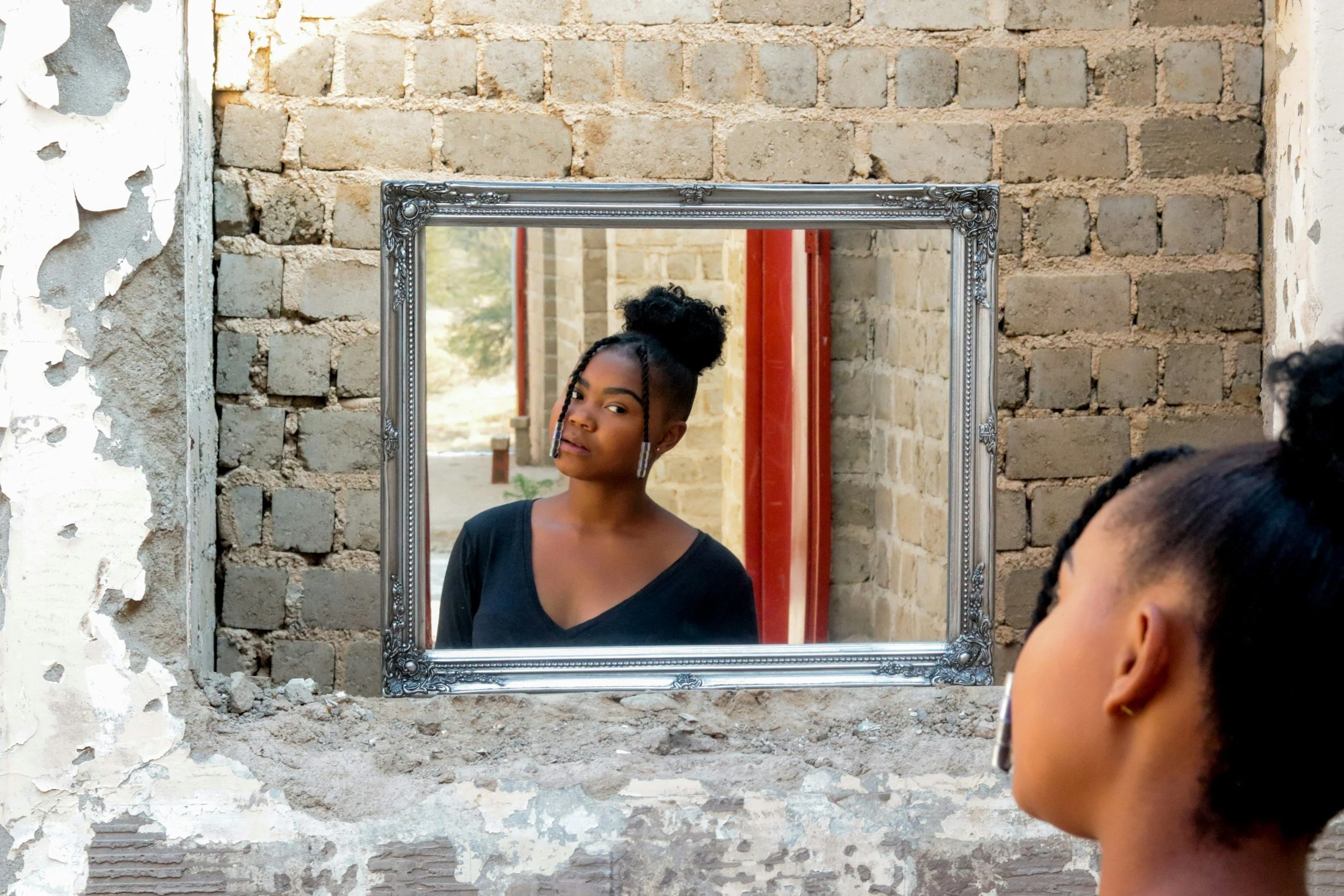
One activity I especially love is a mirror exercise, where girls reflect on both the negative messages they’ve heard about themselves and the positive truths they want to embrace. Together, we physically remove those negative words and replace them with affirming ones.
These experiences can be incredibly powerful. Girls begin to see themselves (and each other) through a more compassionate lens.
A Message to Parents of Pre-Teen Girls
Pre-teens and teenagers are still kids. In many ways, teens need even more check-ins than younger children because they’re navigating so many changes all at once.
If your daughter has been struggling with friendships, confidence, or self-doubt, she’s not alone — and neither are you.
Many girls simply need a safe space to practice being themselves. A space where they can say: “Can I just be who I am?”
Helping girls build confidence now doesn’t just support them through these transitions of middle school. It helps shape the adults they will become: young women who can trust themselves, form healthy friendships, and show up authentically in the world.
If this sounds like something your daughter could benefit from, we would be honored to welcome her into our upcoming group at Bud to Bloom Play Therapy.
Learn more about our therapy groups for children and families here.
Spots are limited so each girl has space to be seen, heard, and supported.

Lakaysha, LMSW and Play Therapist in Training, is passionate about therapy with children and teens in the St. Louis area. With a background in school-based social work, social emotional learning, and restorative practices, Lakaysha is especially skilled in creating a space for youth to be heard, to feel safe to explore, and to discover who they really are. Outside of the therapy room, she loves reading, crocheting, and playing board games with her siblings.