
How To Playfully Support Conversations About Divorce with Kids
(Plus Helpful Books)
Big changes can be scary for kids. Divorce is one of those changes that can bring up a lot of big feelings – sadness, anger, confusion, or even guilt. As parents and caregivers, we want to help. But many adults ask the same question:
How do I talk to my child about divorce?
The good news is this: you don’t need to have all the right words. What matters most is being open, honest, and present. One of the best ways to support conversations about divorce with kids is through books and play. Stories give children the words they may not yet have. Play and play therapy give them a safe way to express what’s inside.
Below are some of our favorite books to help open up gentle, honest conversations with children about divorce.
Books About Divorce to Read With Your Child
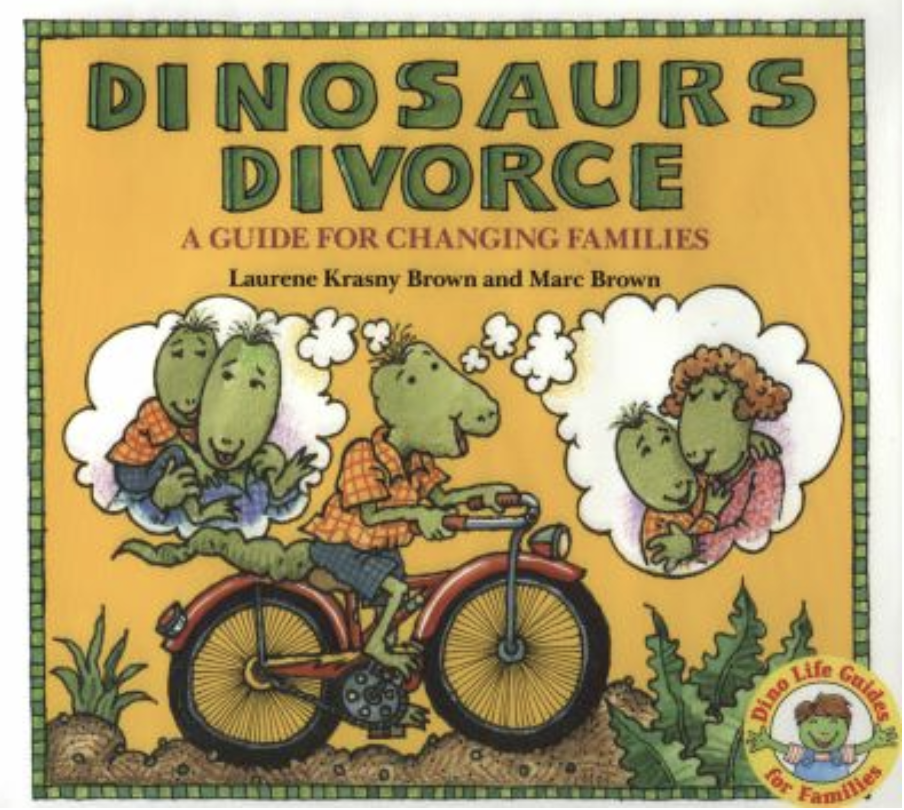
Written by Laurie Krasny Brown and Marc Brown
This classic book from the Dino Tales series is full of helpful information about divorce. It explains what divorce is, why it happens, and what changes kids might notice.
The book talks about:
Different homes
New routines
Different rules at each house
Big feelings that come and go
Because it covers many topics, this book is best for older children or to read together with an adult. It can also be a great classroom resource.
Why we love this book:
It focuses on issues kids truly care about
It explains confusing topics in simple ways
It clearly says the divorce is not the child’s fault
The last point is so important. Many children quietly wonder if they caused their parents’ divorce. Repeating that it is not their fault helps ease that worry.
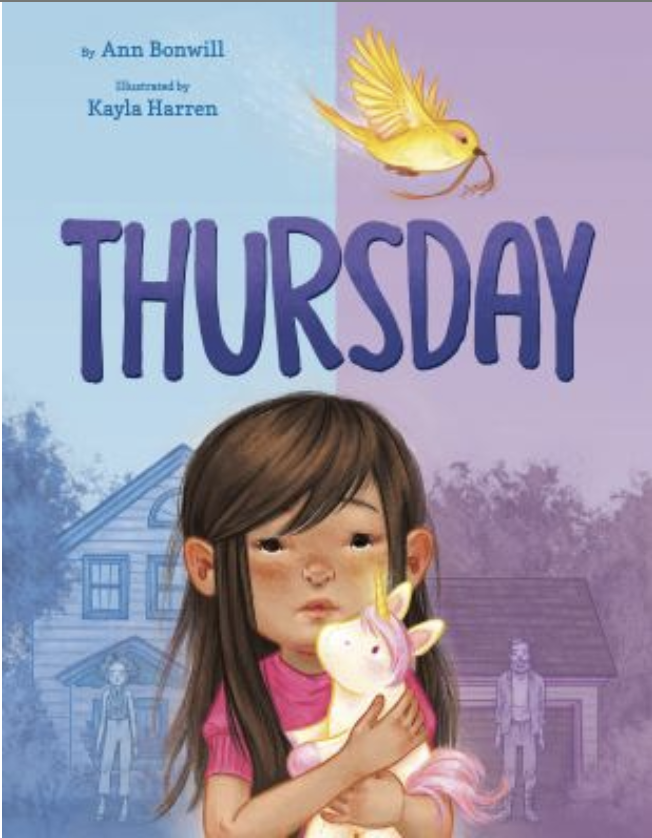
Written by Ann Bonwill and Illustrated by Kayla Harren
In this tender story, a young girl learns her parents are getting divorced on a Thursday. Thursday used to be her favorite day. Now, she dislikes it.
Everything in her life feels different. She tries many ways to feel better, keeps thinking about how things used to be. This is very normal for children experiencing divorce. Kids often grieve the life they knew.
Toward the end of the book, she creates a memory box filled with special items from before the divorce. She brings the box between her mom’s and dad’s. This simple act helps her feel safe and connected.
What parents can learn from this story:
Children are allowed to feel sad, angry, or confused
Big feelings take time to move through
Comfort objects can make transitions easier
If your child is struggling with divorce or a big life change, here are playful tools that can help:
A favorite stuffed animal
A special song
A simple breathing exercise
A “travel box” of their favorite items
Daily affirmations
A special snack at home
These small routines give children something steady when life feels uncertain.
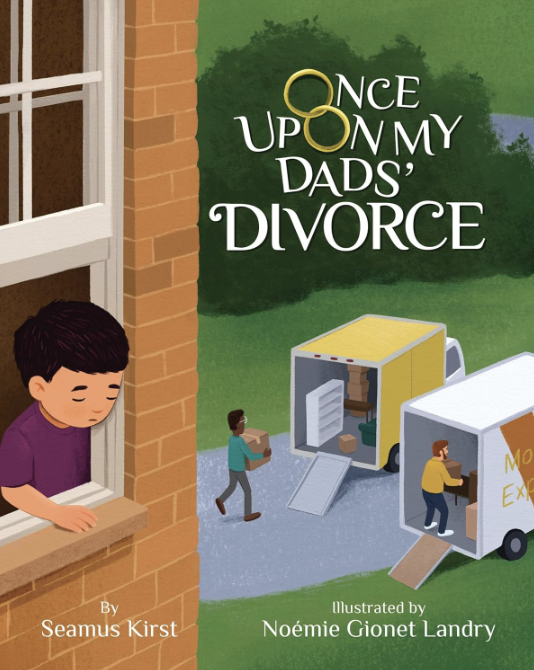
Written by Seamus Kirst and Illustrated by Noemie Gionet Landry
This book follows Grayson, whose two dads are getting divorced. On top of this, he learns they are selling his childhood home. For him, this is overwhelming.
After a very hard day, his dads plan a special visit to the old house together. The story gently shows that even when parents aren’t together, we’re all still family.
This books is especially helpful because it:
Shows diverse families
Validates grief over losing a home
Emphasizes continued love from both parents
When possible, showing up together for important moments can help children feel secure. Of course, that’s not always possible. If co-parenting together is hard, other supportive tools—like books and play therapy—can help bridge the gap.
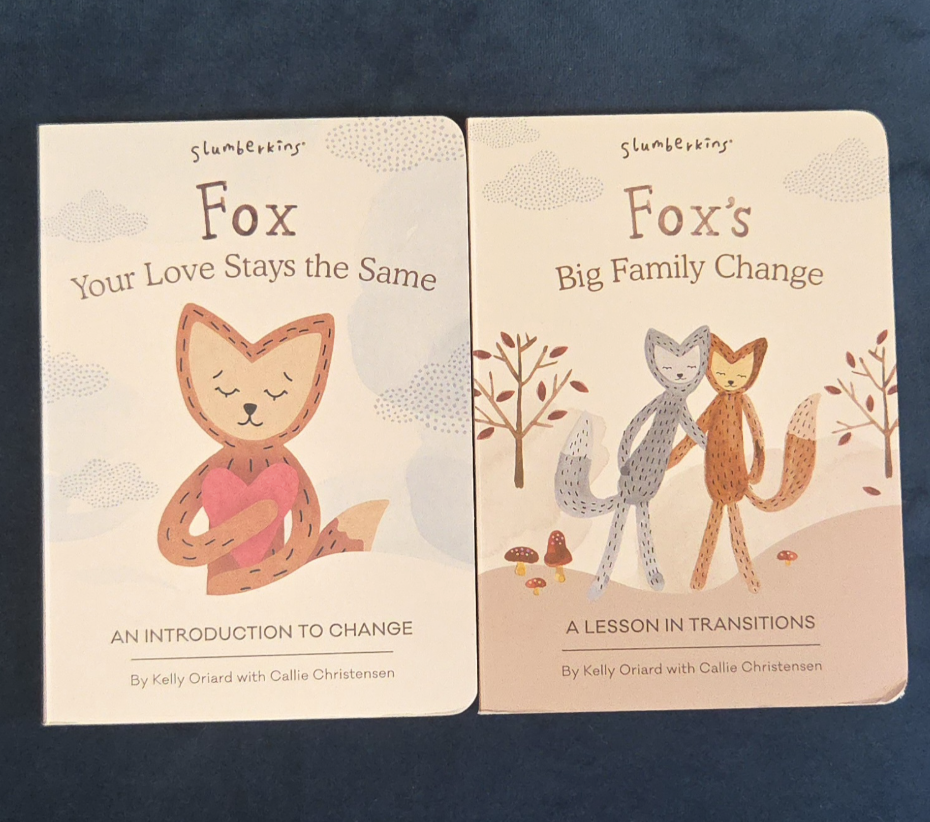
Written by Kelly Oriard & Callie Christensen
Two powerful titles in this series are:
Your Love Stays the Same
Big Family Change
These books focus on emotional connection and reassurance. They remind children that love does not change, even when families do.
Each book includes:
Gentle language about big feelings
Affirmations to repeat together
Reflection activities for parent and child
The built-in activities make it easy to turn reading into a bonding moment.
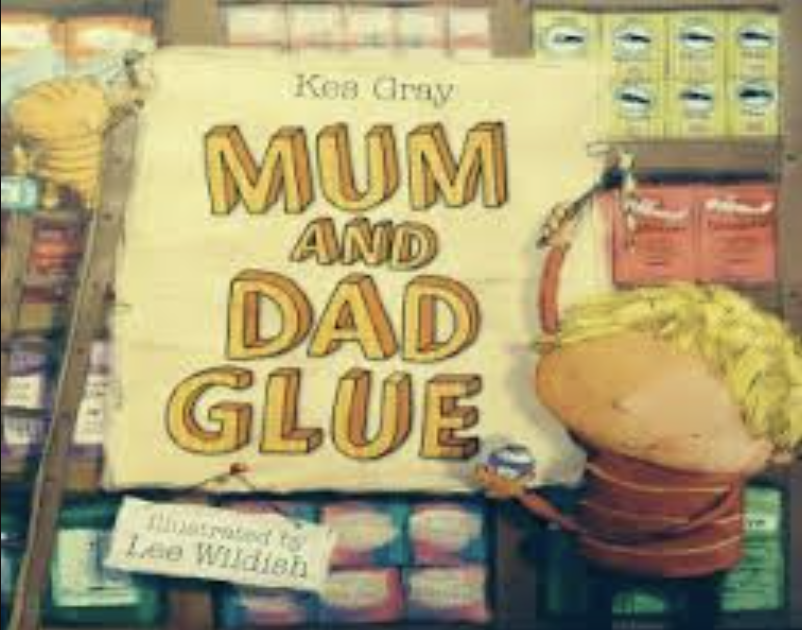
Mum and Dad Glue
Written by Kes Gray and Illustrated by Lee Wildish
Children often wish they could “fix” their parents’ relationship. This sweet book speaks directly to that hope.
It reassures children that:
It is not their job to fix the divorce
Parents are still their parents
Love remains, even if the marriage doesn’t
This message can lift a heavy weight from a child’s heart.
How to Talk To Kids About Divorce in a Playful, Supportive Way
Books are powerful. But pairing stories with play makes conversations even more natural.
Here are simple, playful ways to support your child with this transition:
1.Use Dolls or Stuffed Animals
Let your child act out family changes with toys. They may share feelings through play that they cannot say out loud.
2. Create a Feelings Chart
Draw faces showing sad, mad, confused, happy, or worried. Ask, “Which one feels like you today?”
3. Make a Transition Ritual
A special handshake, song, or phrase when switching homes can bring comfort.
4. Practice Calm-Down Skills Together
Deep breathing, squeezing a stress ball, or stretching can help regulate big emotions.
5. Keep the Door Open
You do not need one big talk. Small, ongoing conversations are better.
When Extra Support Is Needed
Divorce can be exhausting for parents, too. It is okay if you don’t have all the answers. If your child continues to struggle with sleep, behavior, or strong emotions, extra help may benefit the whole family.
Play therapy is a wonderful option. Through guided play, children can:
Practice transitions
Build emotional regulation skills
Express hard feelings safely
Bud to Bloom Play Therapy supports children navigating divorce and other life transitions through play-based approaches designed just for kids.