
Why I Chose Play Therapy in St. Louis: A Social Work Student’s Practicum Journey
If you’re a social work student thinking about your practicum experience, you might be wondering what path feels right. For me, that path is leading to becoming a play therapist in St. Louis — and that path started long before grad school.
In this blog, I want to share my journey into play therapy, what I’m learning in my practicum, and what I wish other students knew about this field. If you’re considering a social work therapy practicum in St. Louis, this might help you picture what that experience could look like.
My Early Connection to Play Therapy
I was first introduced to play therapy as a child. At the time, I was dealing with big life changes and didn’t yet have the words to express how I felt. Play therapy gave me a way to process those emotions in a way that felt safe and natural.
That experience stayed with me. As I got older, I knew I wanted to work in a helping profession, especially with children and families. In high school, while exploring career options, I came across play therapy again. It stood out to me as something unique and meaningful. And even through college, I kept that interest in the back of my mind.

Why I Chose Play Therapy for My Practicum
Fast forward to grad school: I’m in my second year of the social work program and choosing a concentration practicum. I knew I wanted hands-on experience working with children and families. That’s when I found Bud to Bloom, a practice focused on children's mental health and play therapy.
My curiosity about play therapy came right back! I realized that exploring this through a practicum would give me the chance to build real clinical skills, learn what kind of social work I enjoy most, and work directly with children in a therapeutic setting.
For any student considering a child therapist in St. Louis path, a practicum like this is a great way to explore your interests while gaining meaningful experience.
What I’m Learning in My Play Therapy Practicum
In my practicum, I am training in Child-Centered Play Therapy (CCPT). Instead of me directing the session, the child leads. That means:
The child chooses what to play
The child sets the pace of the session
I follow, reflect, and support
At first, this felt unfamiliar. Many of my past roles working with children and families were structured and planned. In CCPT, the structure comes from the relationship, not a set agenda.
As a play therapist in training in St. Louis, I am learning how powerful it can be to give children space to express themselves in their own way.
What’s Surprising Me About Play Therapy
One of the most surprising things I learned early on is how many different types of play therapy exist. During my first month at Bud to Bloom, I attended an introductory play therapy training and discovered a wide range of approaches beyond CCPT. Each has its own style and purpose, depending on the child’s needs.
Another surprise? Play therapy can even happen over telehealth!
Before this, I assumed play therapy had to be in person, using toys in a therapeutic play room. While that’s still very common, therapists have found creative ways to connect with children virtually as well.
I’m learning that this field is flexible and evolving, which excites me and makes me more curious about a career as a child therapist.
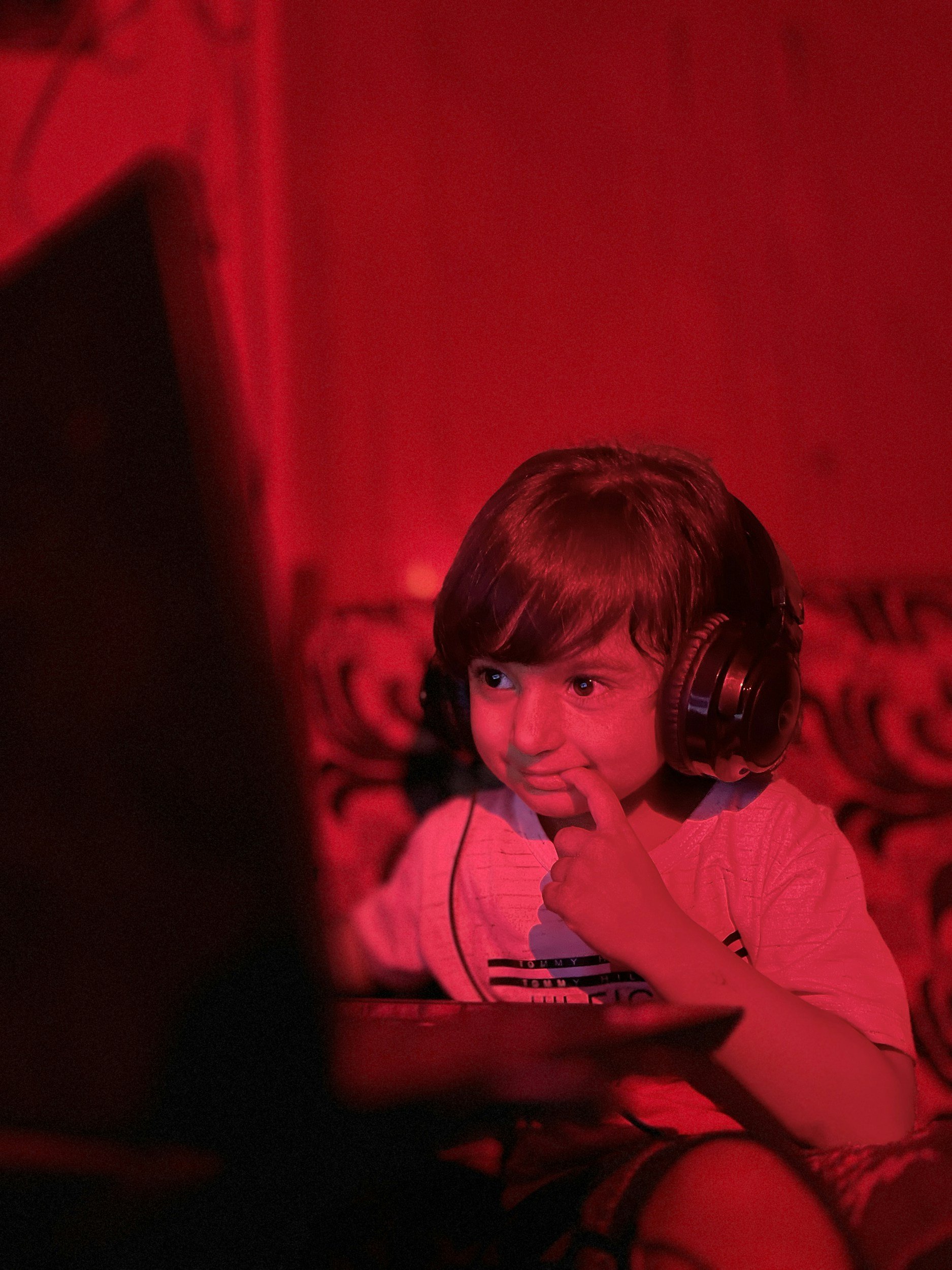
How Play Therapy is Different from Other Social Work Roles
I’ve worked with children and families before, but play therapy feels different in a few important ways.
In many roles, interactions with children are structured, goal-driven, and adult-led. There’s often a plan or schedule to follow.
In play therapy (especially CCPT), the child is in control. This means slowing down, listening in new ways, and trusting the child’s process. For social work students, this can feel uncomfortable at first. But it also opens the door to deeper connection and understanding.
If you’re considering a play therapy practicum in St. Louis, it’s important to know that this work is less about “doing” and more about “being” with the child.
What Practicum Students Can Do At Bud to Bloom
At Bud to Bloom, practicum students have the opportunity to gain real hands-on experience in children’s mental health.
Some of the opportunities include:
Learning and practicing play therapy skills
Observing sessions with experienced therapists
Building relationships with child clients
Supporting children under age 10 through play-based interventions
Developing documentation and clinical writing skills
Understanding ethical decision-making in therapy
Students also learn how to work with families, which is a key part of being a child therapist in Missouri. Even though sessions are child-centered, caregivers play an important role in the child’s growth.
Who I Currently Work With
As I continue growing in my role as a Blooming Therapist, I currently have availability on my caseload. I work with:
Children under age 10 dealing with big behaviors, anxiety, and life transitions
Children who haven’t experienced major traumas
Families who are not currently involved in court processes
This allows me to provide focused, developmentally appropriate support using play therapy techniques. For families in the St. Louis area looking for an affordable play-based therapist in St. Louis, working with an intern can be a helpful option for younger children who need support with emotional regulation, tricky behaviors, or life transitions. Support your child with a free play therapy consultation today.
